اموزش هنگ درام جلسه اول

Hang Drum Lesson – Session 1

In this series of tutorials, we aim to teach you for free how to play the hang drum. The fascination with this magical instrument and its celestial sound has led to a growing number of people wanting to learn to play it. Visit our store for a wide range of instruments for enthusiasts.

Understanding the instrument

Seating positions

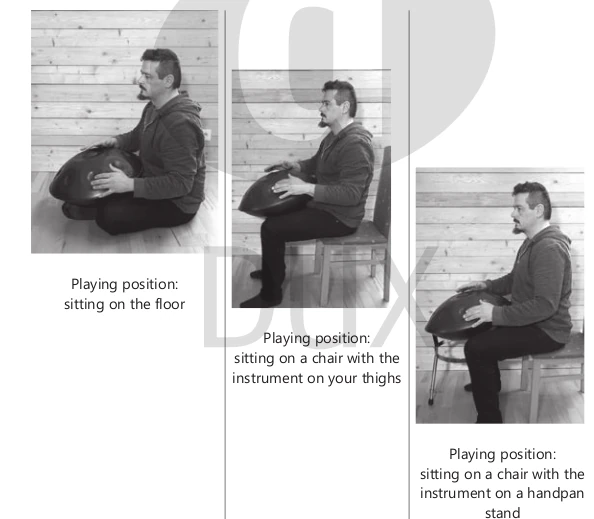
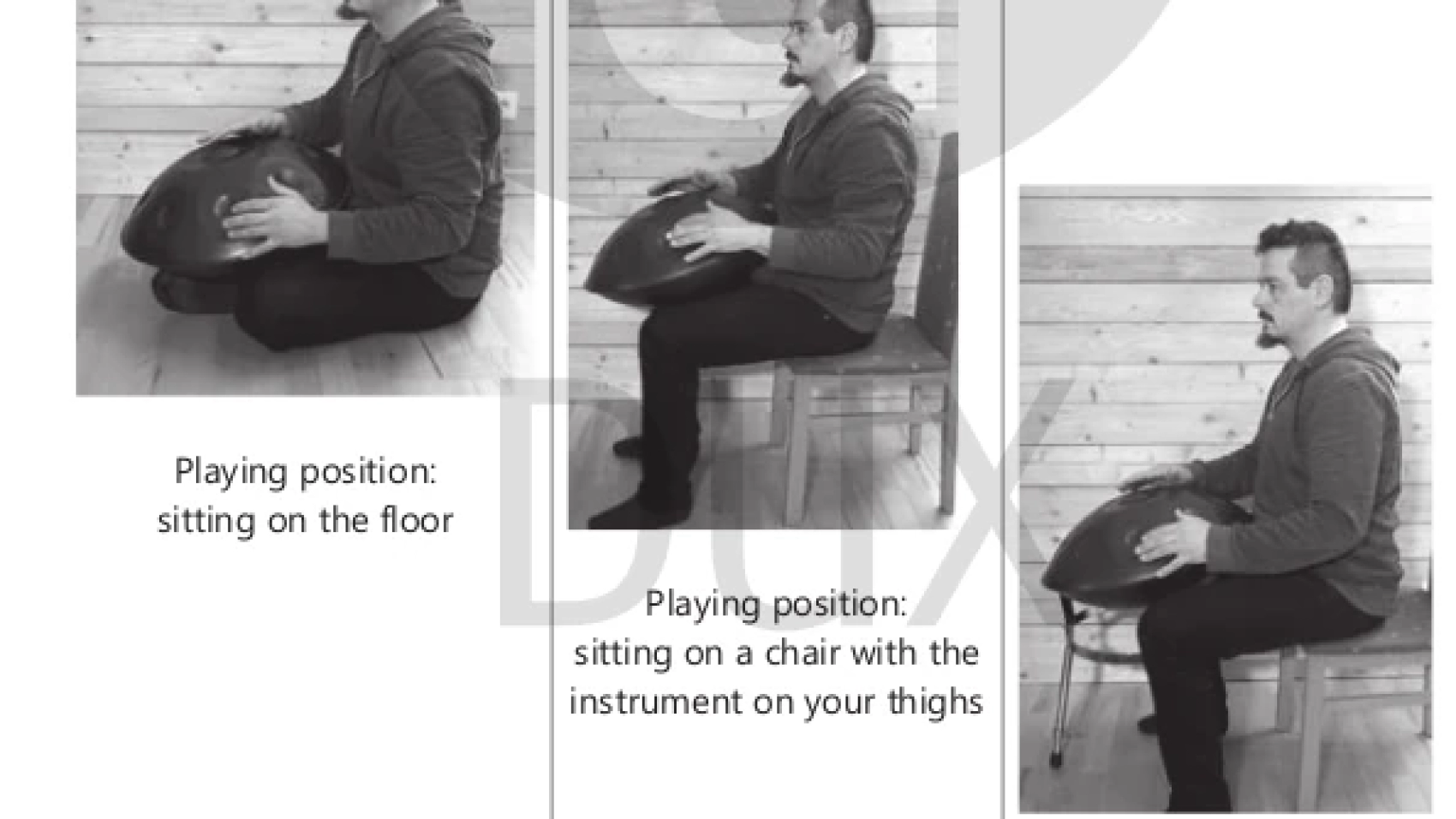
There are various physical positions in which you can play the hang drum. Many players prefer to sit on the floor with their legs crossed and their palms resting on their thighs. Others prefer to sit on a chair to play the hang drum, but for some, the instrument is a bit large and there is a risk of it tipping forward. A special hand stand can help with such cases, but a drum throne or conga stand can also be a useful substitute.
There are also tall stands for standing while playing.
However, you should keep the instrument very close and against your body.
No matter which position you choose, it is very important that the hang drum is tilted slightly forward.

Hang Drum Lesson - Session 1

Notation and Marking

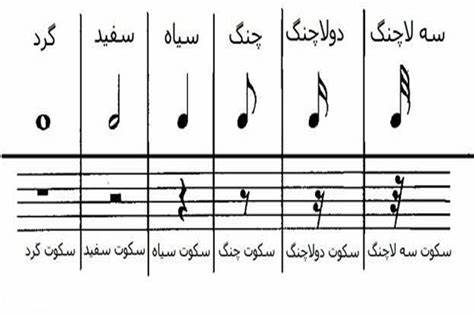
The notation used here is straightforward and intuitively understandable. It employs standard musical notation but instead indicates all rests and notes are played on the hang drum using various symbols, numbers, and letters. The exercises are designed to be compatible with any system. The primary scale is a sequence of regular background beats.
l   l  l  l  l  l  l  l  l  l  l   l   l   l   l   l
Based on rhythm, these are grouped together, typically in sets of four or three.

Rhythms and melodic lines are then notated with numbers and symbols placed directly above the corresponding beat. Rests are indicated by the absence of a note on a beat.

نت های هنگ درام

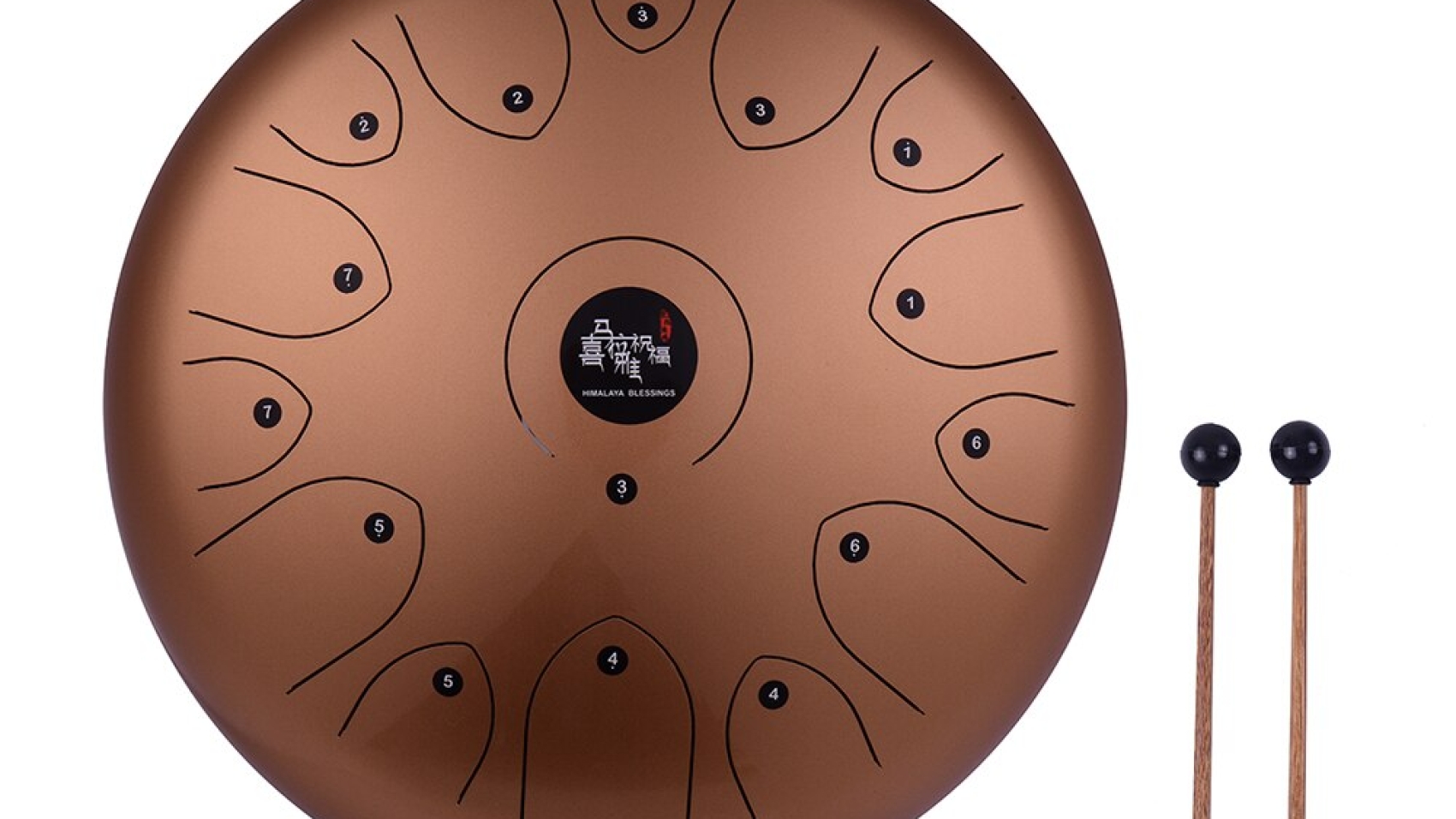
For example, the number 0 represents a strike on the center of the hang drum.

Consequently, a sequence of regular strikes can be notated as follows:

  • Slow
    نت اهسته هنگ درام
  • Moderately fast
    نت متوسط هنگ درام
  • Fast
    نت سریع هنگ درام
تفاوت بین هندپن و هنگ درام

The difference between a Hang Drum and a Handpan

Handpans are relatively new instruments that captivate listeners with their otherworldly, enchanting sound. Not only is their sound intriguing, but their appearance is also quite captivating. They resemble small UFOs, medieval shields, or even steel turtle shells.

Handpans are gaining popularity every day, but as a relatively new instrument, many people are still unfamiliar with the name or have never seen one played live. Even among those acquainted with the instrument, there’s confusion, as people often refer to it by different names.

However, in recent years, as the world of handpans has become more popular, certain terms have solidified, making it easier to discuss them accurately.

What’s the difference between a pantam and a hang drum?

There is no actual difference between a handpan, hang drum, pantam, steel tongue drum, or Space Drum. These are all names people have used in the past to refer to the instrument now more commonly known as a handpan. In Europe and the Americas, it’s often called a pantam, while in Israel and the Middle East, it’s referred to as a pantam.

Handpans are melodic percussion instruments made of steel, belonging to the idiophone family. While the official name is now handpan, for the past 20 years, people have coined various names, some of which can be confusing.

Additionally, people often mix up the names Hang and Hang Drum. The name Hang originated from the Swiss brand PANart and was the first handpan ever created. Similarly, Hang Drum is an incorrect term that people coined by combining the name of the first handpan, Hang, with the word drum, due to the instrument’s drum-like appearance and sound.

A History of the Handpan

The handpan is a steel percussion instrument that was first created by PanArt in Switzerland in 2000. They decided to name the instrument “Hang,” which means “hand” in Swiss German.

The Swiss couple Felix Rohner and Sabina Schärer were inspired by Caribbean steel drums and created the Hang by inverting them, adding a bottom shell, and modifying them to be played by hand rather than with sticks.

The instrument they first created had a lenticular shape with two hemispherical steel shells joined together. It resembled a small UFO, a steel turtle shell, or a medieval shield.

The most amazing thing about the instrument, aside from its design, was its sound. The sound was so powerful, soothing, and ethereal that it transported listeners to magical places.

Hang instruments also boasted remarkable percussive qualities, merging melody and the percussive world into one mesmerizing instrument.

When the first batch of handpans was produced, the quantity was limited and sold only to select individuals.

The Early Days of the Handpan

In the early days, there were a limited number of Hang players, consisting mainly of buskers and travelers who were showcasing and introducing the instrument to the general public, particularly in Europe and the United States.

Since the instrument was unknown, people were unsure of its name. Given its resemblance to a drum in both appearance and sound, most people adopted the name “Hang Drum,” which became more popular than the original name “Hang” thanks to YouTube and social media videos.

Later, during the 2010s, other manufacturers began producing these instruments and gave their creations different names. Thus, new names like pantam, space drum, and sound sculptures entered the scene. As it gained popularity both on the streets and online, people who didn’t know what to call these new drums constantly introduced new terms: hand drums, hand percussion, steel drums, metal drums, tank drums, and so on.

Eventually, a common and recognized name for the instruments was established: handpan. Since the instruments were played by hand and resembled a pan, the name “handpan” became widely adopted.

In Israel and Middle Eastern countries like Iran, the term “pantam” is commonly used instead of handpan, and it is also an accepted name.

In other words, handpan and pantam are generic terms like “guitar,” while Hang and Space Drum refer to specific instruments from particular brands. So, we can say that Hang is to handpans what Fender is to guitars. It refers only to specific guitars from a particular brand.

Handpan vs. Hang Drum: Which is Right for You?

Given that Hangs were the first instruments and their numbers are very limited, they are sold at very high prices due to their nostalgic value.

However, today’s handpans are produced with better techniques and can play a wider range of notes. The materials and overall sound quality are significantly better than the Hang. Handpans can be made from stainless steel, quenched steel, or nitrided steel in various sizes.

Moreover, there are countless scale options and customization choices. You can order from hundreds of different makers.

In contrast, Hangs are older instruments that you can only find on the second-hand market. They have only 7-9 notes, scale choices are limited, material choices are solely nitrided steel, and the acoustics are poorer than modern handpans.

However, due to their collectible status and nostalgia factor, they are sold at very high prices, starting at $5,000 and going up to $15,000.

If you don’t have a lot of money and aren’t a collector, I highly recommend starting with a modern handpan.

hangdrum-relaxation

Learning to Play the Hang Drum

The hang drum is a percussion instrument that produces a soft, beautiful sound. To play this instrument, you need to learn the techniques of striking the hang drum. You must master how to use your fingers on the notes of the hang drum and, with practice and repetition, create your own rhythms and melodies. In this article, I will introduce you to some tips and exercises for learning to play the hang drum.

Tip 1: Familiarize Yourself with the Hang Drum Notes

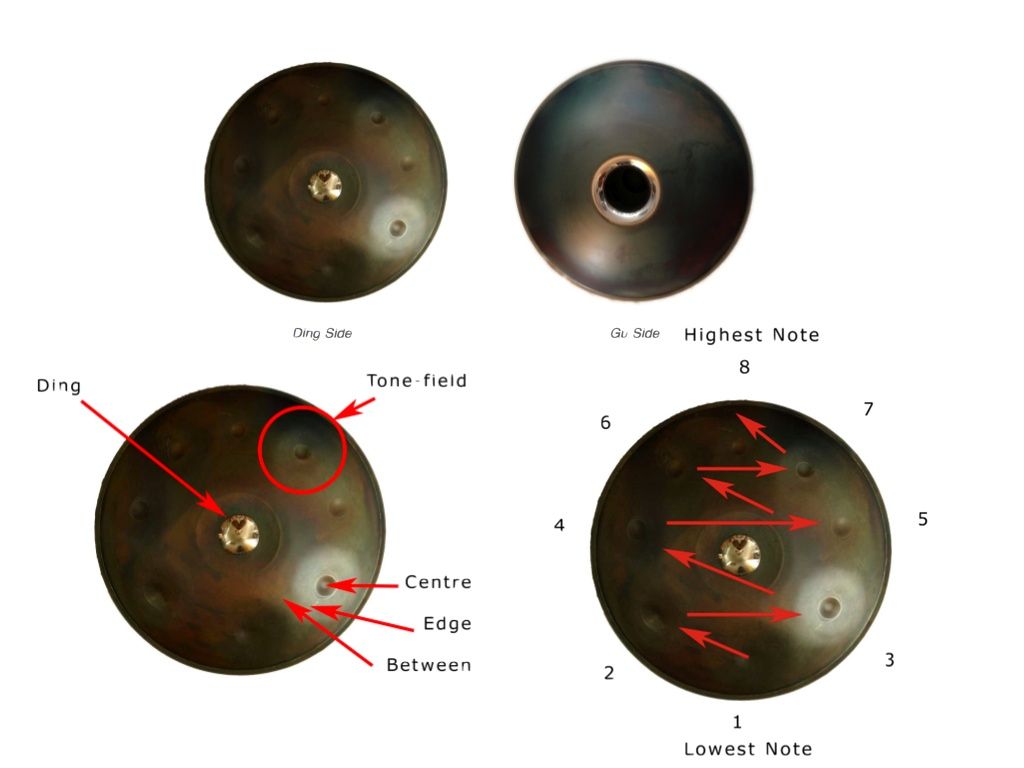
The hang drum is a percussion instrument with a central note and eight notes around it. Each note has a letter and a number that indicate its name and octave. For example, D3 means the note D in the third octave. You can use special hang drum charts to find the notes on your instrument.

نت-های-هنگ-درام

To draw a note chart for your hang drum, you’ll need to draw a circle in the center of a piece of paper to represent the central note. Then, draw eight smaller circles evenly spaced around the central note. Next, you’ll need to write the letters and numbers corresponding to each note inside the circles. Depending on the tuning of your hang drum, you can use different arrangements for the notes. Some tunings are more common than others.

  • Pygmy: D3 A3 Bb3 C4 D4 F4 G4 A4
  • Integral: F3 A3 Bb3 C4 D4 E4 F4 G4
  • Kurd: D3 A3 Bb3 C4 D4 E4 F4 G4

Tip 2: Striking the Hang Drum

To strike the hang drum, you should use the pads of your fingers. You need to strike the notes of the hang drum with the right speed and force to produce a good sound. You should avoid hard, sharp strikes and listen attentively to the sound of each note. You should pay careful attention to the distance and direction of your fingers and try to strike the hang drum’s surface directly and perpendicularly. You should use both your right and left hands to play various rhythms and patterns.

Tip 3: Practice and Repetition

To master playing the hang drum, you need to practice and repeat. You should play the hang drum for at least an hour every day and practice different patterns. You should choose exercises that are appropriate for your level and evaluate your progress. You should use various resources such as books, videos, podcasts, and music teachers to learn.

hangdrum-relaxation

Hang drum in depression treatment

Depression is a mental health disorder characterized by feelings of sadness, hopelessness, low self-esteem, and a loss of interest in activities that were once enjoyable. Depression can have a negative impact on quality of life, social relationships, and work performance. There are various treatments for depression, including medication, psychotherapy, healthy eating, and physical activity.  

A hang drum is a percussion instrument that resembles a cooking pot. It was designed and built in 2000 by two Swiss carpenters, Felix Rohner and Sabina Schärer. The hang drum has nine different notes that are produced by striking its surface with the fingers. The sound of the hang drum is similar to that of a harp, gamelan, and steelpan.

Some studies have shown that playing the hang drum can be beneficial for treating depression. There are several reasons for this positive effect:

  • Playing the hang drum stimulates the production of “happy” hormones such as endorphins, serotonin, and dopamine. These hormones help to reduce stress, anxiety, and depression.
  • Playing the hang drum facilitates improved coordination between the left and right hemispheres of the brain. This coordination increases creativity, memory, concentration, and learning.
  • Playing the hang drum provides an opportunity for self-expression, self-healing, and self-acceptance. These factors increase self-confidence, self-efficacy, and self-awareness.
  • Playing the hang drum can lead to building relationships with others. Whether solo or in a group, playing the hang drum creates an environment that fosters feelings of belonging, solidarity, and empathy.

Therefore, the information above shows how playing the hang drum can be an effective and enjoyable way to treat depression. However, it should be noted that playing the hang drum alone is not enough and should be combined with other treatment methods. If you or someone you know is suffering from depression, it is best to consult a mental health professional and take care of yourself.

beauty hangdrum

How to buy a good hang drum?

A hang drum is a hand-played percussion instrument known for its beautiful and soothing sounds. Introduced in 2000 by the Swiss company PANArt, it has since become a popular and beloved instrument. Shaped like a globe, the hang drum consists of two metal hemispheres. The upper hemisphere has several indentations, each producing a unique note. The lower hemisphere has a hole that produces a bass sound. The hang drum is played by striking the various areas on its surface with the hands, producing sounds reminiscent of a harp, gamelan, steelpan, and tabla.

Types of Hang Drums

Hang drums vary based on shape, material, color, size, number of notes, tone, and price. Some common types of hang drums include:

  • PANArt Hang: This is the original and most authentic type of hang drum, made by the PANArt company. These hang drums are made of stainless steel and have 8 notes on the upper hemisphere and 1 note on the lower hemisphere. Their sound is very pleasant and high-quality. Due to limited production and high prices, these hang drums are quite rare and expensive.
  • Bali Steel Pan: This type of hang drum is made by the Bali Steel Pan company in Indonesia. These hang drums are made of carbon steel and have 9 to 11 notes on the upper hemisphere and 1 note on the lower hemisphere. Their sound is clear and full. Due to the use of carbon steel, these hang drums are susceptible to corrosion and rust and require careful maintenance.
  • CFoulke Handpan: This type of hang drum is made by Colin Foulke in the United States. These hang drums are made of stainless steel and have 8 to 10 notes on the upper hemisphere and 1 note on the lower hemisphere. Their sound is warm and mellow. Due to the use of stainless steel, these hang drums are resistant to corrosion and rust and require minimal maintenance.

Tips for Buying a Hang Drum

When purchasing a hang drum, consider the following factors:

  1. Budget: Prices vary based on type, quality, brand, and place of manufacture. Some hang drums may cost a few hundred dollars, while others may range in the thousands. Determine your budget and look for a suitable hang drum within that range.
  2. Personal Taste: Your personal taste is important in selecting a hang drum. Make sure to listen to the sound of the hang drum before purchasing and enjoy it. Choose the shape, color, size, and number of notes based on your preferences and comfort.
  3. Quality: The build quality of a hang drum is crucial. Ensure the material, finish, balance, cleanliness, and smoothness of the drum are satisfactory. Check for any scratches, cracks, corrosion, or rust. Additionally, test each note individually to ensure their accuracy and clarity.
  4. Place of Purchase: The location where you buy a hang drum is essential for ensuring its quality and reliability. Purchase from reputable and authorized stores, and make use of warranties, receipts, and after-sales service. If buying online, choose well-known and trusted websites and refer to user reviews, photos, and videos.

Maintenance Tips for the Hang Drum

The hang drum is a delicate and sensitive instrument that requires care and maintenance. To preserve its quality and longevity, pay attention to the following tips:

  • Cleaning: Clean the hang drum with a soft, dry cloth and avoid using water, soap, alcohol, or any other chemicals. These substances may damage its metal surface or alter its sound.
  • Transport: Transport the hang drum using a suitable bag or case, and avoid exposing it to impacts, pressure, heat, cold, or high humidity. These factors may damage the shape, balance, tuning, or sound of the hang drum.
  • Repair and Tuning: Periodically take the hang drum to an experienced repair technician and avoid attempting repairs or tuning it yourself. This could lead to damage or loss of the original sound of the hang drum.

Conclusion

The hang drum is an enchanting and magical instrument with a beautiful and calming sound. Introduced in 2000 by PANArt in Switzerland, it has since become one of the most popular and sought-after instruments. Hang drums differ in shape, material, color, size, number of notes, sound characteristics, and price. To purchase a good hang drum, consider your budget, taste, quality, and place of purchase, ensuring you buy from reputable stores. Additionally, prioritize the maintenance and care of the hang drum, ensuring proper cleaning, transport, and repair.

handpan-care

Application of Oil for the Hang Drum

Optimal Care and Protection for the Hang Drum

A good hang drum, like an Avaram, can withstand significant impact. However, proper care and protection can greatly extend its lifespan.

Here are some useful tips:

Protecting the Avaram Hang Drum

Always place your hang drum in a secure location and use a sturdy stand. Explore various options in our online store.

Prevent Contamination

Certain substances, like salt and acids, can damage your hang drum. Always wash your hands before use to prevent contamination.

Proper Use of the Hang Drum

Use your fingers as intended, and avoid using your palms. Sticks can damage the surface and affect sound quality. Remove rings and other metallic objects from your hands. Be cautious with small children, as even a metal spoon can disrupt the tuning if struck hard against the hang drum.

Ensure Appropriate Weather Conditions

To prevent rust, do not keep your hang drum in humid conditions for long periods. Here are some tips:

  • Do not store the hang drum in damp compartments.
  • Avoid condensation; do not keep the hang drum in a bag for extended periods. Instead, place it on a stand or pad.
  • If the hang drum gets wet, such as from rain, dry it thoroughly immediately, whether indoors or outdoors.
  • Exposure to salt can accelerate rust formation or cause stains. If playing near the sea or beach, oil it with special oil and clean it immediately after use.
  • The hang drum can generally withstand extreme temperatures (-30 to +30 degrees Celsius), although tuning may temporarily change with temperature fluctuations. Avoid prolonged exposure to direct sunlight or heat sources, as extreme temperature differences can cause issues. If the hang drum becomes too hot to touch, its sound may change, so never place it near heating sources like radiators, fireplaces, or stoves. Also, avoid direct sunlight. If it needs to stay in a car, ensure it’s covered and out of direct sunlight.

Caring for the Hang Drum

Caring with Oil

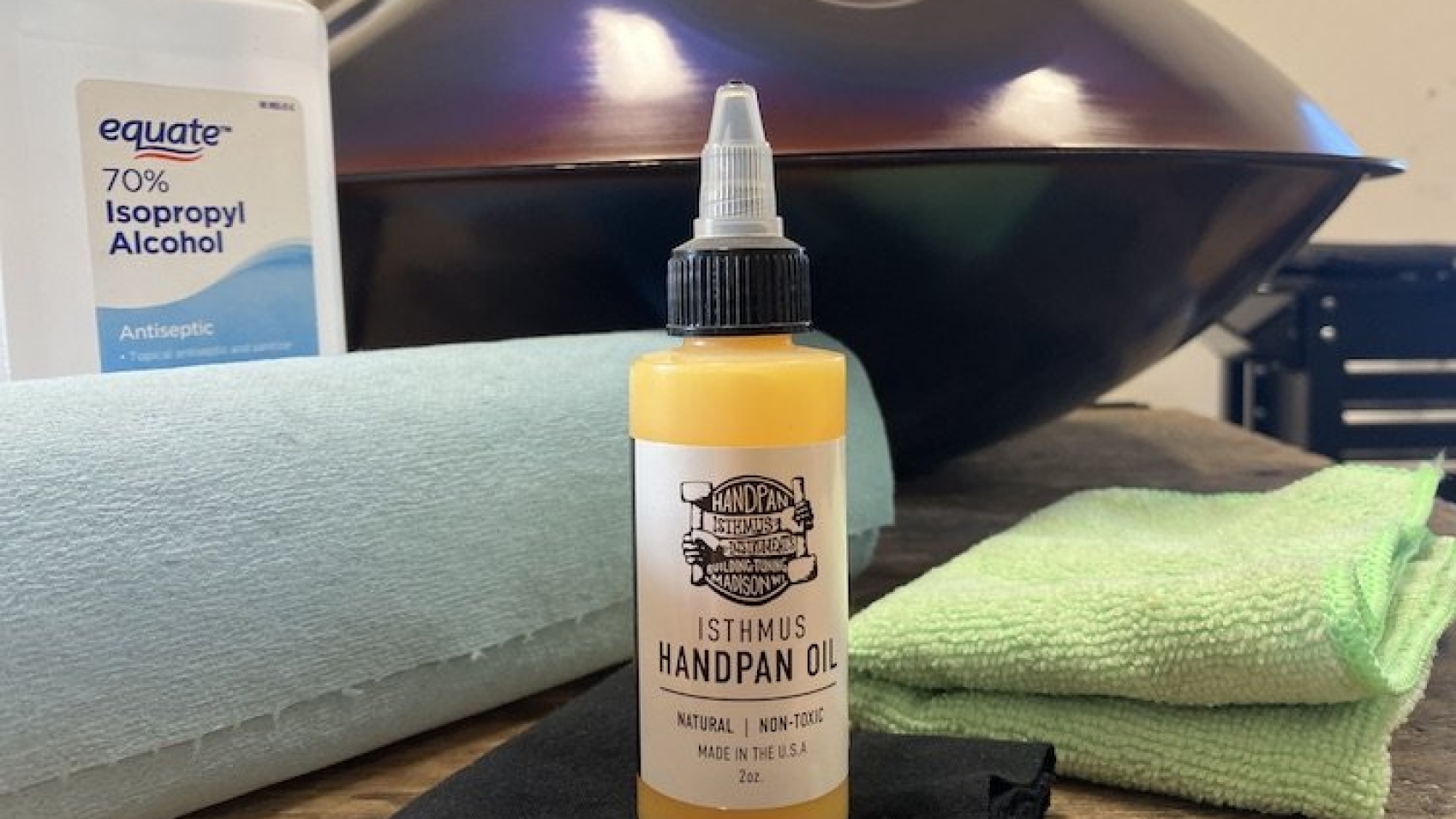
To maintain the appearance and sound of your hang drum, we recommend cleaning it with natural oil after playing. Oil protects materials from dirt, acids, and grease. Follow these steps without applying too much pressure:

  1. Clean the hang drum with alcohol (70-96%) and a separate cloth to remove dirt residues.
  2. After the drum is completely dry, apply a few drops of preservative oil and evenly distribute it across the surface with a microfiber cloth.
  3. Wipe away excess oil with a clean cloth. If the cloth becomes saturated, start with a new one.

Suitable Oil for the Hang Drum

Use a natural oil that does not contain aggressive substances like resin.

Cleaning and Removing Stains from the Hang Drum

Dirt, stains, or residues of old oil can be removed with alcohol (70-96%), available at pharmacies. Then, follow the above instructions to oil the hang drum.

For further information, feel free to contact us.